The Last Mow: How to Close Out Your Edmonton Lawn Season the Right Way
Wondering when to stop mowing Edmonton lawns?
Most homeowners give the final cut of the year about ten minutes of thought. The grass looks like it has stopped growing, the weather turns, the mower goes in the shed, and that's the season. Then April arrives with matted grey patches, winding dead channels through the turf, and a lawn that takes until June to look decent again.
Almost every one of those spring problems traces back to decisions made in September and October. Snow mold is a spring symptom of a fall mistake. The same goes for vole damage, slow green-up, and thin patches that never quite fill in.
This guide covers information on the last mow of the season Alberta homeowners need to know. How to time and execute the last mow of the season in Alberta, what to do with the leaves, when fall aeration still makes sense here, and how to close out the year so your lawn comes back strong. Everything below is built around Edmonton's short season and long snow cover rather than generic advice written for milder climates.
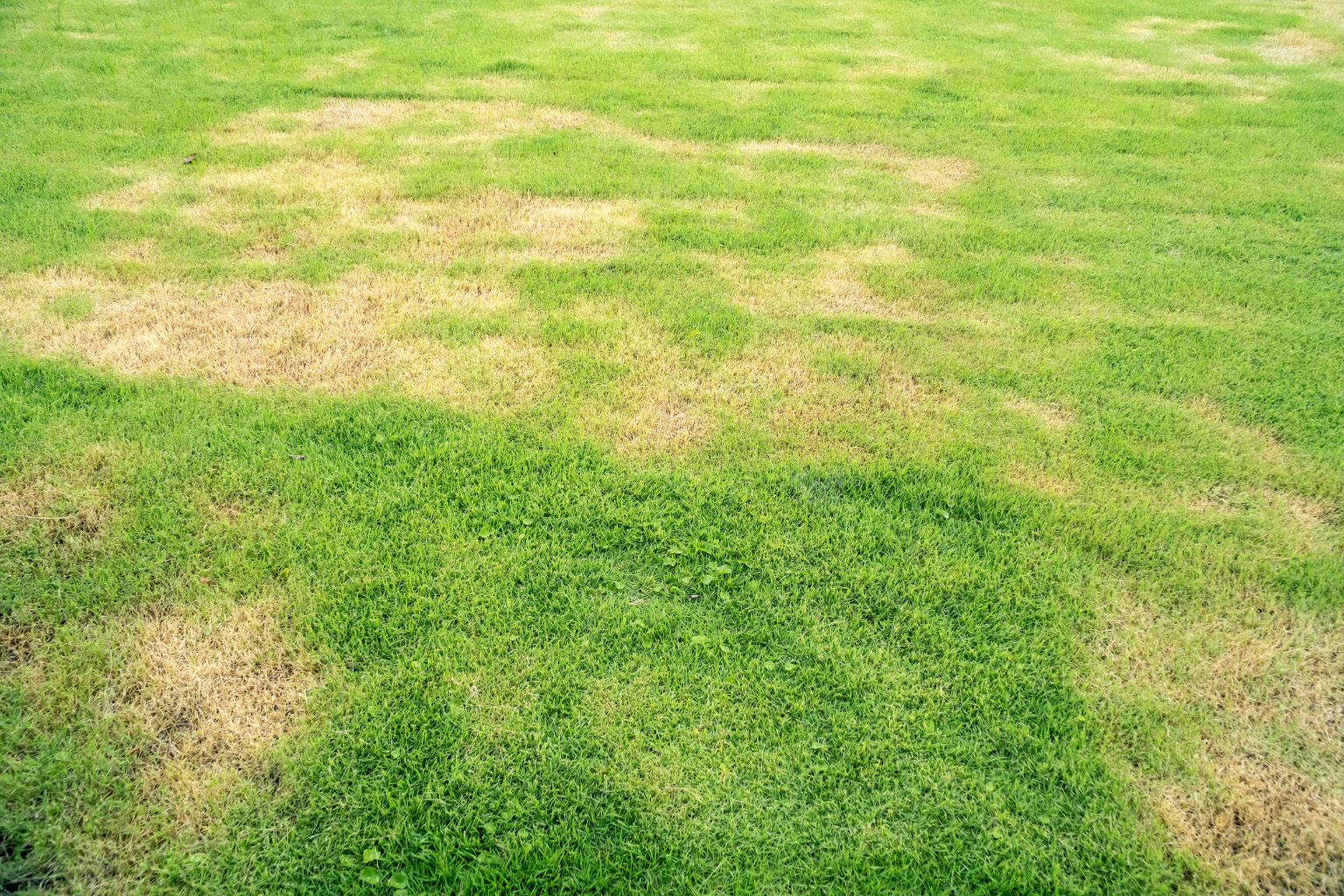
When to Stop Mowing in Edmonton: Watch Growth, Not the Calendar
There is no date on the calendar that marks the end of mowing season. The lawn decides, and it tells you clearly if you know what to look for.
Cool-season grasses, which is what nearly every Edmonton lawn is built on, stop growing once daytime highs stay consistently below 10°C and soil temperatures drop into the 4 to 9°C range. Depending on the year, that lands anywhere from early October into early November here.
Three signals tell you the lawn has finished for the year:
- Growth has flattened out. Look at the lawn a week or two after your last cut. If it sits at the same height, growth has stopped and it's time for the final pass.
- Mowing intervals have stretched out. When you are going more than two weeks between cuts and the lawn still looks tidy, the season is winding down.
- Soil temperature has dropped. A basic soil thermometer pushed a few inches into the ground gives you a far more reliable read than air temperature alone.
Stated plainly: keep mowing until the grass is completely dormant. parking the mower in mid-September because the mornings got cold leaves the lawn taller than it should be for the next six months.
The First Frost Is Not the Finish Line
This is the single most common misunderstanding in fall lawn care, and it costs Edmonton homeowners a healthy spring every year.
Edmonton's average first fall frost falls around late September in the city core, based on Environment and Climate Change Canada's 1991 to 2020 climate normals. The International Airport, sitting on open tableland outside the city, typically frosts noticeably earlier and reads several degrees colder on clear nights than yards in town.
A light frost does not end the growing season. Grass continues to grow after several light frosts, often for weeks. What frost does change is your mowing schedule for the day: never cut frozen or frosted grass, because the blades turn brittle and tear rather than slice. Wait until the frost has fully lifted, usually late morning, and mow then.
The rule to remember is that dormancy ends the season, and frost simply delays your start time on a given morning.
The Right Height for the Last Mow of the Season in Alberta
Your final cut should leave the lawn at roughly 2 to 2.5 inches. That is about half an inch shorter than a typical summer height, and there are three solid reasons for it.
Snow mold. Long grass folds flat under snow and mats together, trapping moisture against the soil through months of snow cover. That is exactly the environment grey and pink snow mold need. Grass left at 4 or 5 inches heading into an Edmonton winter is an open invitation.
Voles. Tall, dense grass gives voles cover to tunnel through all winter. The damage shows up in spring as winding dead runways across the turf, and a bad vole year takes most of a season to recover from. Illinois Extension recommends clearing excessive vegetation around the lawn for the same reason.
Air circulation. A shorter canopy dries faster in early spring and lets air move at the soil surface.
Getting there matters as much as the number itself. Lower the deck gradually over your last two or three cuts rather than scalping the lawn in one pass. Removing more than a third of the blade at once stresses the plant right when it is trying to store energy for winter. Cutting below 2 inches removes too much of the protective canopy and exposes crowns to winter injury.
If your lawn has a history of snow mold, consider bagging the clippings on that final pass. Leaving clippings is normally the better choice, though on the last cut it adds one more layer of organic material sitting on the soil surface holding moisture.
Mulching Leaves With Your Lawn Mower Beats Bagging Them
Raking and bagging is one of the most avoidable chores in fall lawn care, and the research backing that up is deep. Michigan State University has run more than twenty years of turf research on mulching leaves directly into the lawn, and the results are consistent.
MSU found that a six inch deep layer of maple and oak leaves could be mulched into established turfgrass with no apparent adverse effects. Follow-up studies found real benefits: the decomposing leaf pieces fed the turf and produced quicker spring green-up, and they reduced dandelion and crabgrass populations over several years by covering the thin spots and bare soil where weed seeds germinate. Research at Purdue University found that mulching leaves at high rates did not affect turf quality, colour, or soil pH, and that the practice does not cause thatch buildup.
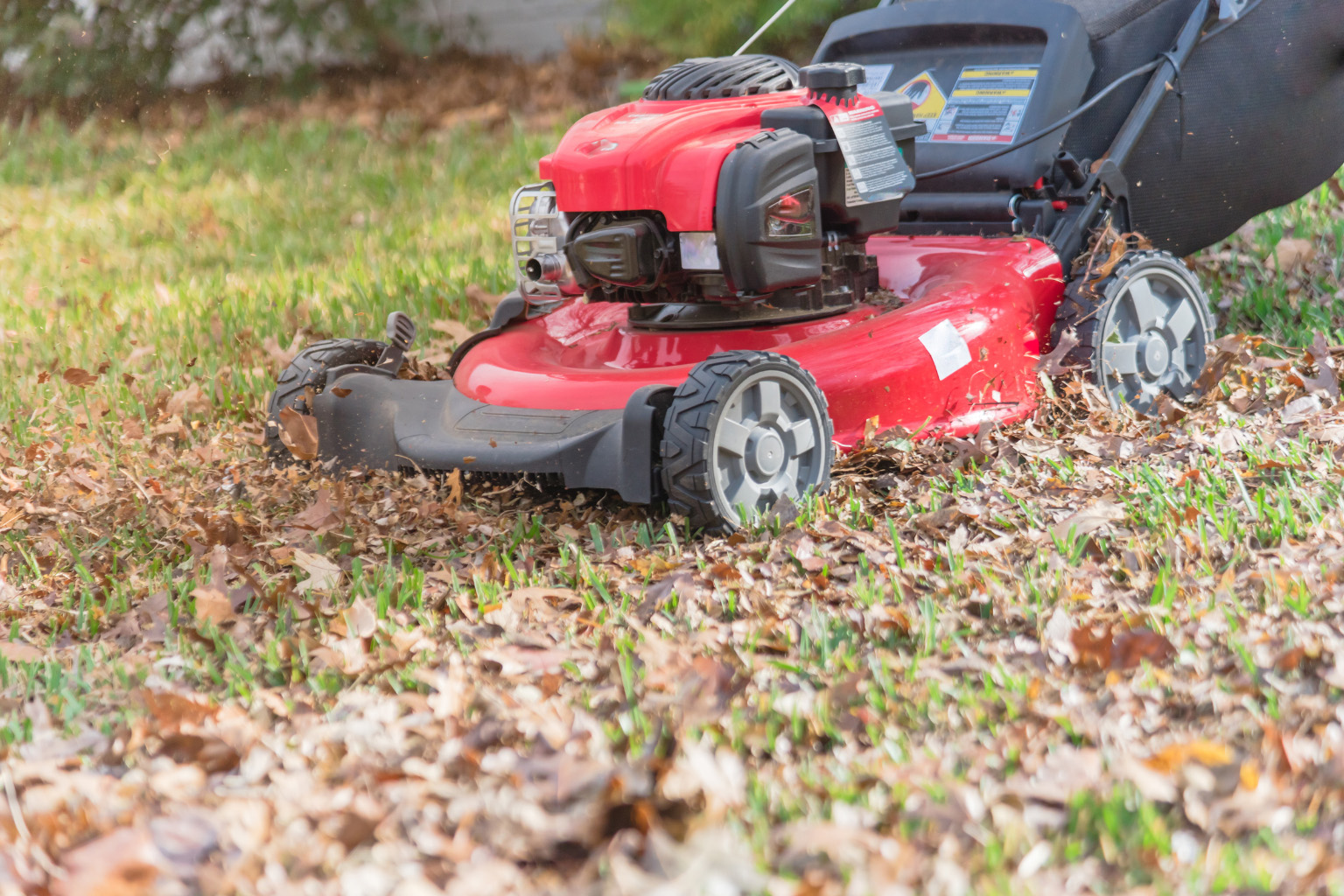
How to Mulch Leaves Properly
The technique matters, because whole leaves left sitting on the lawn genuinely do cause damage.
- Start early and go often. Mulch leaves as part of your regular mowing schedule through October instead of waiting for every tree to finish dropping.
- Raise the deck. Set the mower to its highest setting for leaf passes. This is the opposite of your final mow height, which is why sequencing matters: mulch through the fall at a high setting, then drop the deck for the last cut once the leaves are down.
- Make two passes if needed. Crossing over the leaves once or twice chops them small enough to sift down between the grass plants.
- Keep the blade sharp. Shredding leaves with your mulching leaves lawn mower demands more of a blade than cutting grass does. A sharp blade produces finer pieces that break down faster.
- Clear the heavy mats. Anything piled thick and wet against the turf should come off the lawn. Bagged leaf mulch works beautifully around trees, shrubs, and garden beds.
You will see fine leaf residue on the surface for a few days after mulching. It sifts down through the canopy and disappears well before spring.
Fall Aeration in Alberta and the Overseeding Window
Edmonton's clay soil compacts hard and fall aeration relieves that compaction while opening channels for water and nutrients ahead of winter. Late August through early September is the productive window here.
Overseeding follows the same schedule and has a firmer deadline. New seedlings need roughly six to eight weeks of establishment before frost, which puts the practical Edmonton seeding window at late August to mid-September. Seed dropped into aeration holes gets far better soil contact than seed broadcast onto compacted ground.
If you are reading this in October, that window has closed for the year. Rather than gambling on partial germination that fails over winter, you have two reasonable options: aerate now without seeding and put seed down next spring, or wait until soil temperatures sit consistently near freezing in November and dormant seed, letting the seed stay inactive until spring. Seeding somewhere in between produces the worst outcome, because seed that germinates and then freezes dies.
Thatch deserves attention here too. A layer thicker than half an inch acts like a sponge under snow, holding moisture against the crowns and raising snow mold risk substantially. Our aerators and power rakes cover both jobs if you would rather own the equipment for Fall aeration Alberta lawns need instead of booking the service every year.
Fall Fertilizer Timing and Snow Mold Risk
Fall fertilization builds root reserves that drive spring recovery, though the timing and the product both matter in a climate like ours.
Heavy applications of fast-release, water-soluble nitrogen in early to mid-fall push soft, lush blade growth at exactly the wrong moment. That tender growth dies under snow and becomes fungal food. Slow-release or controlled-release nitrogen avoids that problem, and adequate phosphorus and potassium levels support winter hardiness. Illinois Extension guidance suggests keeping heavy soluble nitrogen roughly six weeks clear of the killing frost.
The rest of the snow mold checklist is straightforward: manage thatch, keep leaves cleared or properly mulched, make sure surface drainage works, and spread shoveled snow around rather than building deep piles on the lawn that melt last in spring. We covered identification and spring recovery in our guide to Edmonton lawn pests and diseases if you want the full picture on what to look for in April.
One Last Job: Winterize the Mower Before You Park It
The final mow is also the last time you will touch that machine for six months, which makes it the right moment to deal with it properly.
Fuel is the big one. Ordinary gasoline left sitting over an Edmonton winter breaks down and gums up carburetors, and stale fuel is the number one reason mowers refuse to start in April. Either run the tank dry or use Aspen alkylate gasoline, which can be stored for a long period without deteriorating (Keeps for 3-5 years, compared to ordinary fuels which typically keep for 3-5 months). Change the oil while the engine is still warm, replace the air filter, and get the blade sharpened so you start next season with a clean cut instead of shredded tips.
Battery equipment needs its own routine. Pull the packs and store them indoors at room temperature, since sustained cold in an unheated garage sits well outside the safe range for lithium batteries.
Fall is also the quiet window at every service shop in the city. Bringing your mower in now means a fast turnaround, and it means the machine is genuinely ready in spring rather than sitting in a queue behind everyone else's April panic. Our parts and service team handles full winterization, blade sharpening, and carburetor service, and we can look at your snow blower in the same visit while you are here.
Fall Lawn Care Edmonton: Set Up Next Spring Before the Snow Flies
Closing out the season well takes one afternoon and pays for itself every April. Keep mowing until growth genuinely stops rather than quitting on the first cold snap. Bring the deck down gradually to finish around 2 to 2.5 inches. Mulch your leaves into the turf through October at a high deck setting. Aerate while the window is open, keep late-season nitrogen slow-release, and clear the thatch and debris that hold moisture under snow.
Then put the mower away properly so the machine is ready when the lawn is.
The team at The Lawnmower Hospital has helped Edmonton homeowners work through the full seasonal cycle for decades, spring startup through winter storage. Contact us for a consultation, call 780-437-1851, or visit us at 7555 72A Street NW, Edmonton, AB to book your fall service before the snow arrives. Finish the season right, and spring takes care of itself.